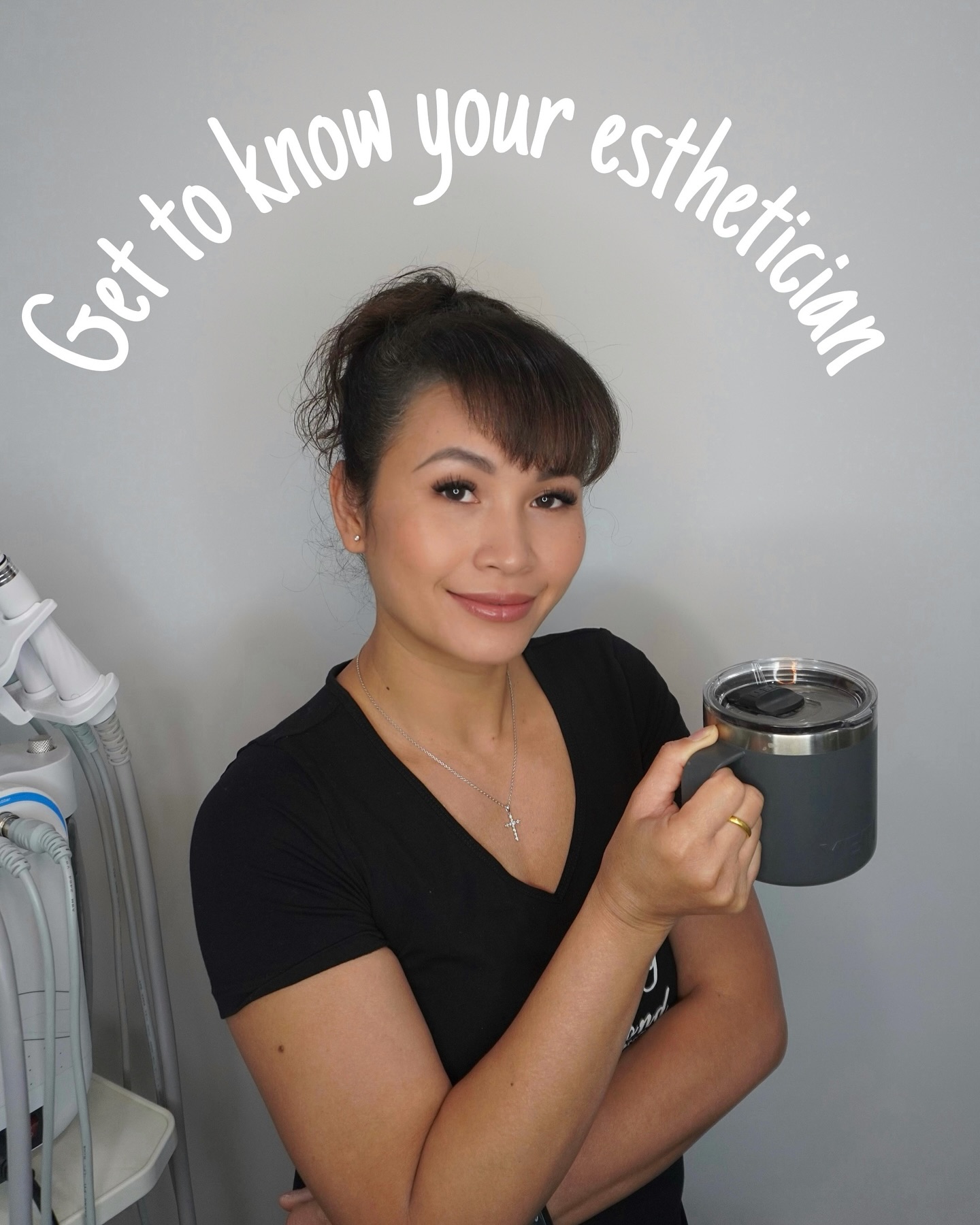
Aileen · Licensed Esthetician, WA
June 30, 2026 · 4 min read
What Is a Chemical Peel, Really?
A chemical peel is one of my favorite treatments to offer because it's straightforward, effective, and honestly pretty demystifying once you understand what's happening. Essentially, a peel uses a chemical solution—usually an acid like glycolic, salicylic, or lactic acid—to gently dissolve the top layer of dead skin cells. Your skin then repairs itself by generating fresher, smoother cells underneath.
In my Federal Way studio, I see clients worried that "chemical" means harsh or dangerous. Not so. It's just the chemistry doing the work—the same chemistry your skin naturally uses to shed.
The Three Levels of Chemical Peels
Peels fall into three broad categories based on how deep they penetrate and how much your skin will peel afterward.
Superficial Peels (Light)
These use lower-concentration acids—typically 20–30% glycolic or salicylic acid—and only affect the epidermis (outermost layer). You'll see light flaking, often barely noticeable. Most clients describe it like a mild sunburn aftermath. There's virtually no downtime; you can go straight back to work or errands.
Superficial peels are ideal if you're new to peels, have sensitive skin, or want subtle improvement in texture and tone. Results build over a series of treatments (usually 4–6 weekly or biweekly sessions).
Medium Peels
These penetrate into the dermis and use stronger acids—TCA (trichloroacetic acid) or deeper glycolic concentrations. You'll see more noticeable peeling, sometimes for 5–7 days. Your skin may feel tight and look pinkish or slightly raw during healing. This is where real downtime enters the picture.
Medium peels address deeper sun damage, stubborn discoloration, and more pronounced texture issues. Most people need just one or two sessions, though some repeat annually.
Deep Peels
These are serious treatments using phenol or very high-strength TCA. They reach well into the dermis and require real recovery—10–14 days of visible peeling and sensitivity, sometimes longer for complete healing. Deep peels are rarely done in med spas or esthetician studios; they're typically a dermatologist's domain and require careful screening.
Unless you have severe sun damage or specific medical skin concerns, you likely don't need a deep peel. The results of medium peels are usually remarkable enough.
Understanding Downtime Realistically
A question I get weekly: "How much will my skin peel, and will I have to hide?"
Superficial peel: Minimal to none. You might notice slight dryness or tiny flakes. Makeup applies normally the next day.
Medium peel: Expect 3–7 days of visible peeling—flakiness, sometimes rough patches, pinkness. By day 5 or 6, most clients feel confident enough for casual outings. Full healing (skin feels normal, no flaking) takes 7–10 days. I always tell clients to plan an important event for at least a week after.
Downtime also depends on your skin type and sensitivity. Thicker, less reactive skin often sheds faster and heals quicker. Dry or sensitive skin sometimes takes a few extra days.
How to Prep Your Skin (This Matters!)
Preparation is where you set yourself up for smooth healing and better results. Here's what I recommend to clients before their peel:
- Stop active exfoliants 3–5 days before. No scrubs, retinol, vitamin C serums, or AHAs. Your skin should be calm and unbothered.
- Patch test if new to peels. If your skin is very sensitive, I'll sometimes do a test spot 48 hours ahead. It's a tiny investment that catches unexpected reactions.
- Skip sun exposure. Avoid intense sun for a week before. Sunburned or tanned skin doesn't peel evenly and can react unpredictably.
- Keep skin moisturized. Hydrate well the day before. A healthy moisture barrier heals faster.
- Avoid certain medications. If you're on Accutane or have active cold sores, tell your esthetician. Some meds interact with peels.
- Come with clean skin. No makeup, sunscreen, or oils on treatment day. We'll cleanse you, but starting fresh is ideal.
Post-Peel Care Is Just as Important
The days after matter as much as prep. Use a gentle cleanser, skip active ingredients, apply hydrating moisturizer religiously, and use SPF 30+ daily (even if you're inside—peeled skin is photosensitive). Avoid saunas, heavy workouts, and harsh fabrics for a few days.
If you're curious about whether a chemical peel is right for your skin or ready to experience one, I'd love to discuss it in a quick consultation at Beauty Beyond. Every person's skin is unique, and there's no substitute for a professional assessment.
Frequently Asked Questions
Will a chemical peel damage my skin?
No, when done properly by a licensed professional on appropriate skin types. Chemical peels intentionally cause controlled exfoliation so your skin repairs itself stronger. However, improper prep, aftercare, or overuse can cause irritation. That's why working with a qualified esthetician or dermatologist matters.
How often can I get a chemical peel?
Superficial peels can be done weekly or biweekly as part of a series. Medium peels are typically spaced 4–6 weeks apart, with 4–6 sessions recommended. Many clients then maintain results with one or two annually. Your esthetician will recommend a schedule based on your skin's response.
Can I get a chemical peel if I have sensitive skin?
Yes—start with a superficial peel using gentle acids like lactic acid. These are much milder than glycolic or TCA. Always patch test first, communicate your sensitivity to your esthetician, and follow pre- and post-care instructions closely.
When will I see results?
Superficial peels show subtle improvement after 4–6 sessions. Medium peels often deliver visible results after just one treatment—smoother texture, brighter tone, faded spots. Results continue improving as your skin heals fully over 2–4 weeks.
Ready to treat yourself?
Book a personalized treatment with Aileen at Beauty Beyond Studios in Federal Way, WA.