
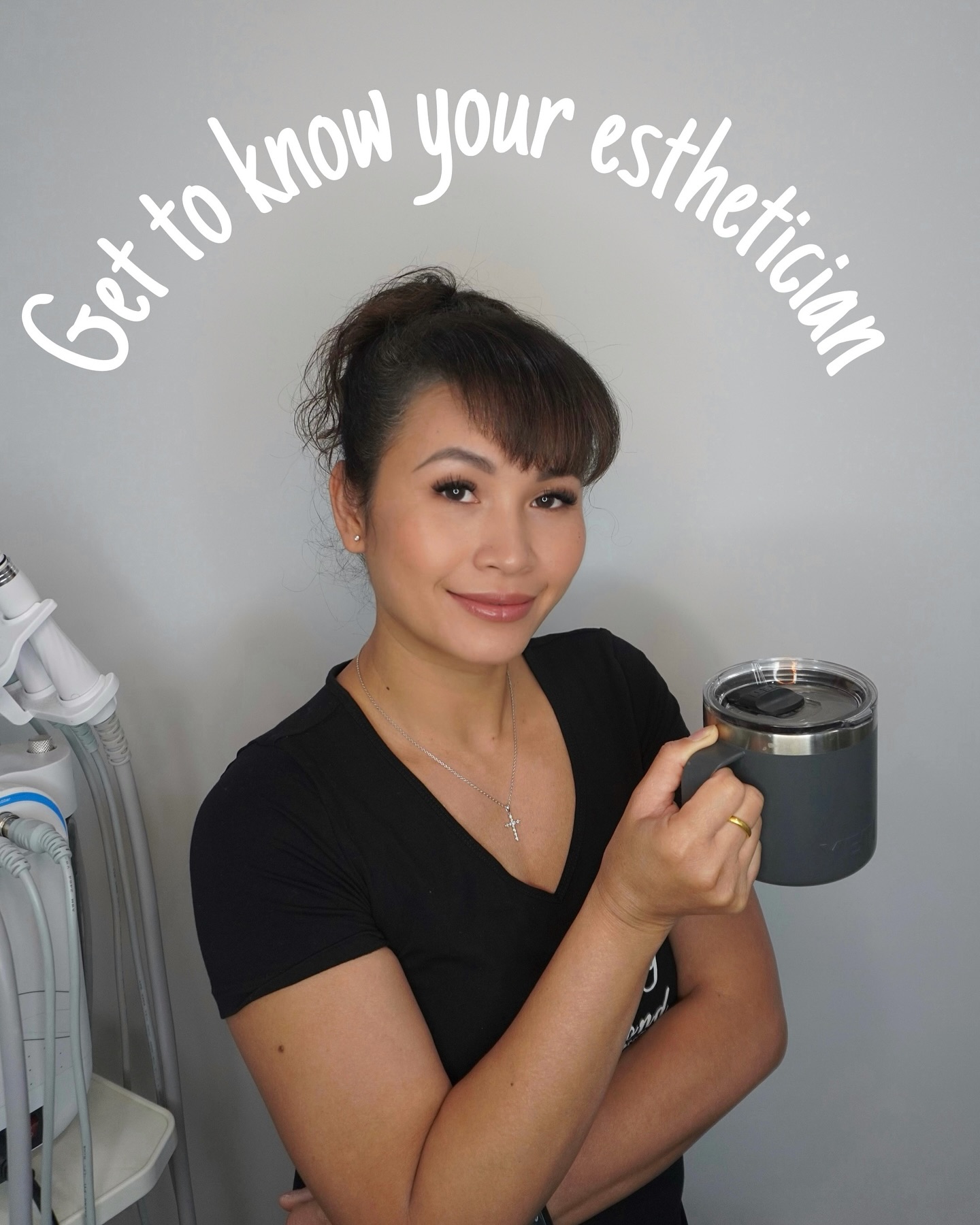
Aileen · Licensed Esthetician, WA
July 11, 2026 · 3 min read
Why Pacific Northwest Winters Hit Your Skin Differently
Living in Federal Way, we don't get the harsh, dry cold of inland winters. Instead, we have something trickier: damp cold with low light and inconsistent moisture. Our humidity keeps the air from being bone-dry, but that moisture never quite reaches your skin cells. Add in the heating we use indoors and the reduced UV exposure, and your skin often feels tight, flaky, or irritated by January.
In my studio, I see a real uptick in clients dealing with dehydrated skin come November through March. Many are shocked because they think "Pacific Northwest means wet, so my skin should be hydrated," but that's a common misconception. The moisture in the air doesn't penetrate your barrier; it just sits on your surface.
The Winter Skincare Shifts That Actually Work
The key is adapting your routine before winter really sets in—though if you're already struggling, it's never too late to course-correct.
Cleanse Gently and Less Frequently
Winter is not the time for strong actives or double cleansing every single day. Switch to a creamy, hydrating cleanser that doesn't strip. I recommend cleansing once daily (usually at night) and just rinsing with lukewarm water in the morning. Hot water opens your pores wider and increases water loss from your skin, so resist the temptation—lukewarm is your friend.
Layer Hydration, Then Seal It In
This is the golden rule of winter skincare. Apply hydrating products to damp skin, then follow with an occlusive (a heavier cream or oil) to lock everything in. Try this sequence:
- Hydrating toner or essence (while skin is still slightly wet post-cleanse)
- Lightweight serum or essence
- Richer moisturizer
- Optional: facial oil or heavier cream over the top
The order matters—water-based hydrators first, then your barrier-sealing creams and oils. Sealing in moisture is how you combat that tight, uncomfortable feeling.
Don't Skip Sunscreen (Even in Gray)
Winter sun is weaker, but UVA rays still penetrate clouds. A mineral sunscreen (SPF 30+) protects your barrier and prevents the irritation that can come from unprotected winter skin exposed to what little UV there is.
Treatments That Support Winter Skin
This is where professional facials can make a real difference. A good hydrating facial in the fall can set your skin up for success, and a mid-winter refresh in January or February can restore what the season has taken.
In my studio, I often recommend hydrating or nourishing facials during the gray months over more aggressive treatments. Add-ons like facial oils, recovery masks, or hyaluronic acid boosters can be game-changers. These treatments replenish your skin's moisture reserves and remind your barrier how to function optimally.
If you have active winter breakouts or sensitivity, that's also a sign to dial back any retinoids, vitamin C, or exfoliating acids temporarily. Save those for spring.
The Habits That Hurt (and How to Fix Them)
A few common winter habits quietly wreck your skin:
- Indoor heating: Keep humidity levels around 40–50% using a humidifier, especially in your bedroom. A dry room is a dehydrating room.
- Long, hot showers: They feel amazing but devastate your skin barrier. Keep it warm, not hot, and keep it brief.
- Skipping moisturizer because it "feels heavy": Winter is not the time to go minimal. Your skin needs the seal.
- Overcompensating with active ingredients: If your skin feels tight, a third round of vitamin C won't fix it—it'll make it worse. Go back to basics.
The Pacific Northwest winter is beautiful but demanding on skin. The good news? A few intentional shifts—hydrating layers, occlusive sealing, gentler cleansing, and maybe a professional facial or two—carry you through to spring feeling comfortable, not uncomfortable. Your skin doesn't have to feel tight or flaky just because the gray months are here.
Frequently Asked Questions
Should I use different products in winter than summer?
Yes. Winter calls for richer moisturizers, hydrating serums, and occlusive sealing—skip the heavy actives like strong retinoids. Gentleness and hydration layer are the priorities.
Why does my skin feel dry if the Pacific Northwest is humid?
Outdoor humidity doesn't penetrate your skin barrier. Indoor heating dries the air, and the cold slows your skin's natural oil production. You need to actively seal in hydration.
Is a humidifier worth it?
Absolutely. Keeping indoor humidity around 40–50% during winter makes a noticeable difference in how your skin feels and recovers overnight.
Can I get a facial in winter, or should I wait until spring?
Winter is a great time for a hydrating or nourishing facial—it actively supports your skin through the demanding months. Just avoid overly aggressive treatments when your barrier is already compromised.
Ready to treat yourself?
Book a personalized treatment with Aileen at Beauty Beyond Studios in Federal Way, WA.